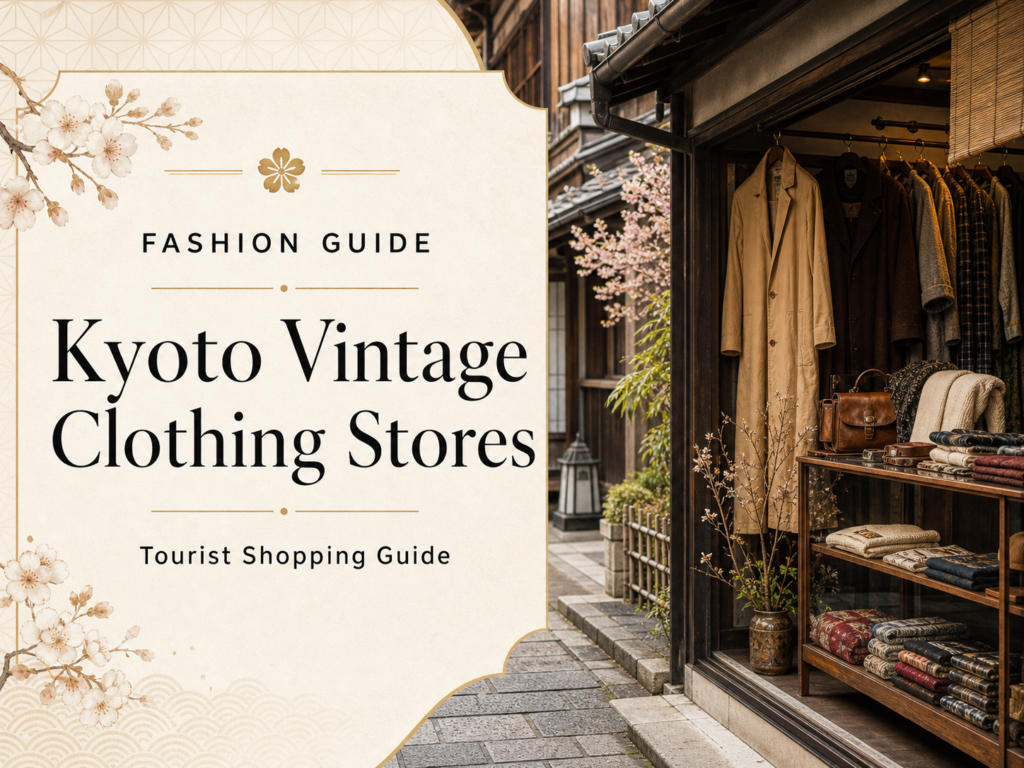
Kyoto's vintage clothing search works best when it is treated as a compact fashion route around Shijo, Kawaramachi, and the central shopping streets rather than an add-on between distant temples. The city has general second-hand stores, fashion-focused resale shops, and smaller vintage spaces, but each serves a different shopper. Inventory, opening information, and policies can change, so verify the day's route directly.
This guide focuses specifically on clothing: how to compare store formats, plan a realistic central Kyoto loop, inspect garments, manage weather and luggage, and avoid confusing broad reuse shopping with a vintage-fashion mission. It complements JVG's existing general Kyoto and Kawaramachi guides instead of replacing them.
Instagram DM
Not sure which shops to visit?
Quick Answer for Tourists
For most visitors, the practical Kyoto vintage clothing route is one half-day in the Shijo-Kawaramachi area. Begin with a broad second-hand or fashion-resale store to learn local sizing and condition presentation. Add one fashion-focused shop, then browse a small number of nearby independent stores that match your category, such as denim, workwear, dresses, streetwear, or designer fashion.
Do not combine central Kyoto clothing shopping with distant sightseeing stops on a minute-by-minute schedule. Streets, arcades, crowds, weather, and store entrances can slow the route. Save exact map pins, group shops by block, and make the purchase decision after a short break rather than at the last rack of the day.
JVG Editorial View
Kyoto is not simply a smaller version of Tokyo's vintage scene. Its central shopping streets can fit naturally into a visitor itinerary, but tourism density and the temptation to cover many landmarks make time the main constraint. The strongest plan protects a dedicated fashion window and keeps the route geographically compact.
JVG recommends separating three goals. General second-hand shopping is useful for breadth and practical clothing. Fashion resale helps travelers compare contemporary labels and designer pieces. Curated vintage places more weight on era, material, construction, and the shop's point of view. A good half-day can sample all three, but it should not expect the same category depth at every stop.
This article owns the clothing-specific intent: fit, fabric, garment inspection, and a Shijo-Kawaramachi fashion loop. Travelers seeking bags, watches, jewelry, or general reuse shops should use the broader Kyoto guides in the related section.
Choose Your Clothing Mission
Everyday second-hand clothing
Look for pieces that solve a real wardrobe need and can be cared for at home. Broad stores can be useful for shirts, knitwear, trousers, outerwear, and accessories, but category depth and size availability change. Set a per-item budget before browsing.
Japanese contemporary and designer fashion
Fashion-focused resale stores can help travelers compare domestic and international labels in one visit. Judge cut, fabric, condition, and wearability before recognition. Japanese tagged sizing is only a starting point; measurements and fitting are more important.
Older vintage garments
If era or construction matters, inspect labels, seams, zippers, buttons, lining, repairs, and fabric carefully. Ask the shop how it describes the item rather than making a confident age claim from one detail. Acceptable alteration or patina depends on your purpose.
Kyoto-friendly travel pieces
Consider the season, walking, public transport, rain, humidity, and luggage. Light layers and packable garments may serve the trip better than heavy pieces, while a special coat or textile can still be worthwhile when you have a realistic carrying plan.
Best For Breakdown
First-time Kyoto thrift shoppers
Start with a general second-hand chain near the central route, learn how categories and condition are presented, then add a fashion-focused shop. Three planned stops are enough to understand whether the city matches your needs.
Designer and select-shop clothing buyers
Prioritize Kindal Kyoto or RAGTAG Kyoto as possible fashion-led route anchors after verifying current details. Compare labels only after confirming measurements, fabric, condition, and whether the piece works with your wardrobe.
Budget-aware travelers
Use broad second-hand shops first and keep an item limit as well as a money limit. A low price does not create suitcase space or solve care problems. Compare the total usefulness of each garment.
Visitors combining shopping with sightseeing
Keep shopping in the central Shijo-Kawaramachi and Karasuma corridor and avoid adding a remote store without confirmation. Place the route before or after one nearby activity, not between several distant landmarks.
Shop Comparison Notes
2nd STREET Kyoto Kawaramachi and Kyoto Shijo
These broad second-hand locations can serve as planning anchors for category and sizing context. Confirm which location fits your exact walking route and check current official information. Their inclusion does not indicate a particular garment, label, size, or price.
Kindal Kyoto
Kindal Kyoto can play the fashion-focused comparison role. Use it to assess contemporary labels, designer pieces, and garment condition against the broader first stop. Verify the current map pin, entrance, hours, and any notices before visiting.
RAGTAG Kyoto
RAGTAG Kyoto offers another fashion-resale perspective in the central area. Add it when comparing a second fashion-led edit is valuable. If your goal is basic thrift clothing, another broad store or independent vintage stop may provide more useful contrast.
BRAND OFF Kyoto Shijo and OKURA Kyoto Karasuma
These general luxury-resale shops can be relevant when clothing is part of a wider designer-goods search. They should not be treated as guaranteed clothing stops. Check current categories and listings before using either as a route anchor.
Suggested Shopping Route
Prepare the central loop
Save the exact pins for one 2nd STREET location, Kindal Kyoto, RAGTAG Kyoto, and one optional broad luxury or independent vintage shop. Group them along Shijo, Kawaramachi, Teramachi, or the Karasuma side according to the latest maps. Confirm opening information on the day.
Stop 1: broad second-hand baseline
Begin with one general second-hand store. Scan two priority categories and note tagged sizes, actual measurements, materials, and condition. The purpose is to learn the local baseline, not to fill a shopping bag before you have compared another format.
Stop 2: fashion-focused resale
Move to Kindal Kyoto or RAGTAG Kyoto, selecting the one that best fits your desired labels and route. Compare cut, fabric, construction, and styling. If a strong candidate appears, write down the decision facts and continue only if another stop can provide meaningful contrast.
Stop 3: curated or optional specialist perspective
Choose a nearby independent store with a visible category focus, or use the second fashion-led shop. Avoid adding a distant location merely because it appears in search results. Central Kyoto's street network rewards a compact loop with time for entrances, crowds, and breaks.
Decision stop
Pause away from the racks. Review fit, care, condition, cost in your own currency, suitcase space, and the rest of the trip. Return only for the garment that still makes sense. If no item survives the review, keep the afternoon as research rather than forcing a souvenir purchase.
How to Compare Vintage Clothing in Kyoto
Use measurements, not only size tags
Save your shoulder, chest, waist, hip, rise, inseam, sleeve, and preferred garment-length measurements in centimeters. Compare a candidate with a favorite item you own. Tagged sizes can reflect brand, era, market, intended fit, or previous alteration.
Inspect the full garment
Follow one sequence: collar, shoulders, underarms, front, closure, pockets, cuffs, back, seat, knees, hem, lining, and care label. Look for staining, thinning, holes, pilling, stretched seams, missing parts, zipper problems, fading, alterations, and repairs.
Check Kyoto-season practicality
Summer heat and humidity, the rainy season, and cold winter days create different needs. Ask whether the fabric and lining suit your home climate as well as the travel day. Consider whether a delicate textile can be protected while you continue sightseeing.
Understand care before purchase
Read the fiber and care label when present. Vintage labels may be incomplete or unfamiliar, so ask staff when you are unsure. Specialist cleaning can change the real cost and convenience of a garment, especially after an international flight.
Evaluate alterations and repairs
Turn hems, cuffs, waistbands, and lining areas outward when the shop permits. A competent repair can extend the life of a garment, while an alteration may make the original size tag irrelevant. Decide whether the work supports or undermines your intended fit.
Compare odor and storage condition
Strong fragrance, smoke-like odor, dampness, or storage smell can be difficult to assess through photographs and difficult to resolve later. Judge the item in person and do not assume cleaning will completely change it.
What to Check Before Visiting
- Confirm current address, entrance, floor, opening information, and closure notices through official pages.
- Decide whether the route is for broad thrift, contemporary fashion resale, or older vintage clothing.
- Save body and favorite-garment measurements in centimeters.
- Wear simple layers that support fitting and carry a small tape measure.
- Bring your passport if you plan to ask whether tax-free procedures apply, then confirm eligibility and processing directly.
- Ask about fitting, payment, returns, exchanges, repairs, and condition-related terms before purchase.
- Check the weather and reserve clean luggage space or a protective bag for purchases.
What to Check on the Item
Tops and knitwear
Inspect necklines, shoulders, underarms, cuffs, elbows, hems, and knit tension. Check for shrinkage, stretching, pilling, holes, pulled threads, and changes in shape. Compare sleeve and body length with clothing you already use.
Jackets and coats
Review collar, lapels, shoulder line, closures, pocket edges, cuffs, vents, lining, and hem. Test movement over the layers you expect to wear. Consider garment weight and whether it fits your luggage plan.
Trousers, denim, and skirts
Check waistband, closure, rise, seat, inner thighs, knees, pockets, and hem. Look for shortening, released seams, fading patterns, fabric thinning, and repairs. Measurements matter because previous wear and alteration can change fit.
Dresses and delicate fabrics
Inspect seams under tension, zipper, lining, underarms, waist, hem, and decorative elements. Consider whether the fabric snags easily and whether you can store and clean it properly during the remainder of the trip.
JVG Shop Selection Notes
The related shops were chosen because their central Kyoto locations and different resale formats can support a realistic clothing comparison. Their inclusion does not promise clothing depth, any specific label, size, era, condition, or price. Verify current inventory signals and all business details directly.
The shortlist intentionally favors a compact Shijo-Kawaramachi-Karasuma plan. Other Kyoto stores may suit travelers staying elsewhere, but a tourist route should justify extra transit with confirmed relevance. A smaller loop protects both sightseeing time and purchase judgment.
Related JVG Guides
- Kyoto Vintage Shopping: Second-Hand Stores for Tourists - Use the broader Kyoto overview when your list extends beyond clothing.
- Second-Hand Shops in Kyoto: Shopping Guide for Tourists - Compare the city's general reuse and second-hand options.
- Kyoto Kawaramachi Second-Hand Stores: Tourist Guide - Follow the area guide when Kawaramachi is the center of your day.
- Thrift Stores in Japan: Complete Guide for Tourists - Understand how thrift, reuse, and vintage labels differ across Japan.
- How to Shop Second-Hand in Japan Without Speaking Japanese - Prepare useful questions before entering small or busy shops.
- Shopping Tips for International Visitors: Second-Hand Shopping in Japan - Use the traveler checklist for payment, luggage, and purchase decisions.
FAQ
Where should tourists start vintage clothing shopping in Kyoto?
The Shijo-Kawaramachi central area is the most practical starting point for a compact comparison. Choose one broad second-hand store, one fashion-resale store, and one optional curated stop. Verify exact locations and current details before the day.
Is Kyoto good for cheap thrift clothing?
The city includes broad second-hand stores as well as curated and designer-focused shops, so prices vary. Budget shoppers should begin with a general store, compare condition, and set item and spending limits rather than assuming every vintage shop is inexpensive.
Can I combine the route with temples and sightseeing?
Yes, when the shopping window stays central and has breathing room. Avoid scheduling distant attractions between stores. One nearby activity plus a half-day clothing route is more realistic than crossing the city several times.
Can I find Japanese designer brands in Kyoto?
Fashion-focused resale shops may carry domestic labels, but the current mix, size range, and condition change. Contact shops when one label is essential and keep several designers or garment types acceptable.
What should I do if I cannot try an item on?
Use garment measurements, compare them with a favorite piece, inspect alteration points, and check the shop's return terms before paying. When fit remains uncertain and returns are limited, walking away may be the better travel decision.
Shopping Support
Need help planning your vintage shopping route in Japan? Contact JVG for private shopping support.
Shopping Support: Plan your shopping support
Continue the shopping journey