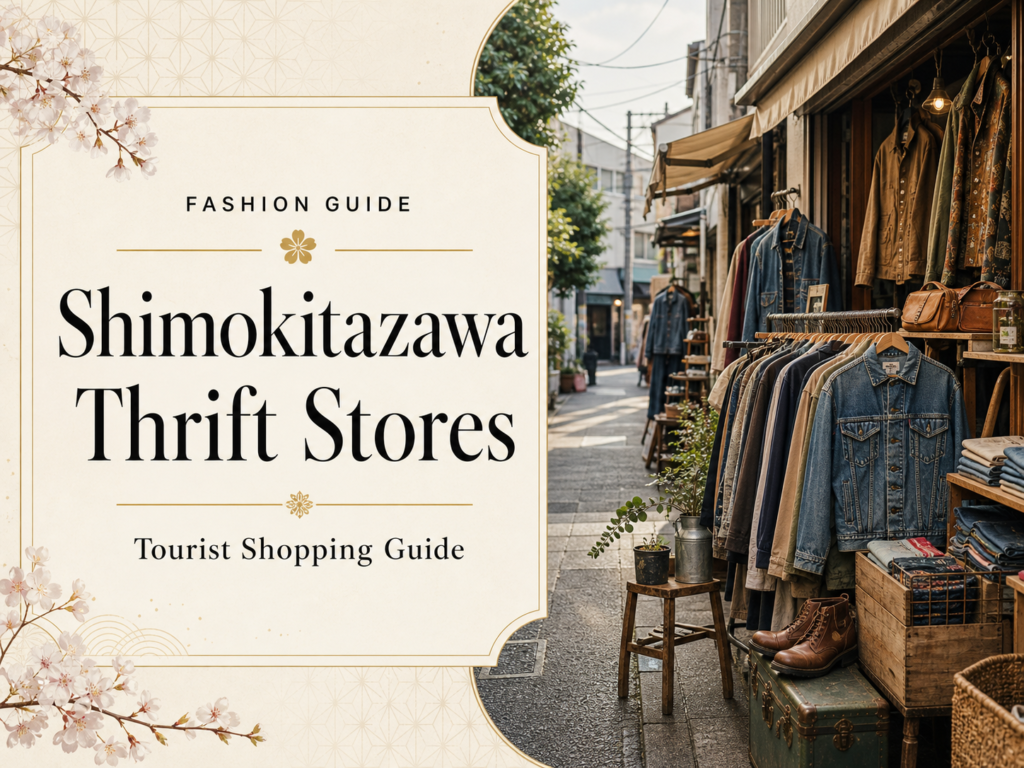
Shimokitazawa is one of Tokyo's most recognizable second-hand fashion districts, but travelers get better results when they define what they mean by a thrift store. The neighborhood mixes chain reuse stores, fashion-focused resale shops, curated vintage boutiques, and small independent spaces. Price level, selection, sizing, condition, and styling can differ sharply even between nearby doors.
For a useful first visit, build a loop around Shimokitazawa Station, compare three store formats, and decide whether your priority is affordable everyday clothing, labeled designer fashion, older vintage, or simply the experience of browsing. Inventory and business details change, so check official pages and map pins before setting out.
Instagram DM
Not sure which shops to visit?
Quick Answer for Tourists
Shimokitazawa works best for tourists who want a walkable fashion-browsing session rather than a guaranteed list of specific items. Start near the station at a broad second-hand chain, add a fashion-focused resale shop, and finish with one or two independent or curated stores that match your style. Keep the route to one side of the railway first, then cross only if you still have energy and a clear purpose.
The fast strategy is to use the first shop to learn local sizing, condition language, and price presentation. At the second, compare fabric, fit, labels, and curation. At the third, buy only if the piece still fills a real wardrobe gap. Confirm fitting-room rules, tax-free handling, returns, payment methods, and current hours directly because these can vary.
JVG Editorial View
Shimokitazawa is strongest as a comparison neighborhood. Its value does not depend on one famous shop or one dramatic find. Travelers can move from broad reuse inventory to fashion-led selections within a compact area and learn quickly which store type fits their budget and patience.
JVG recommends separating thrift intent from vintage intent. A thrift shopper may prioritize wearable basics, outerwear, denim, and practical prices. A vintage shopper may care more about era, construction, rarity, graphics, or fabric. A designer-resale shopper needs another set of checks around labels, condition notes, and store explanations. Mixing all three goals without a budget or route often leads to fatigue.
This article focuses on thrift-store comparison, efficient clothes browsing, and a realistic station loop. For a wider neighborhood overview that includes curated vintage shopping, use the related Shimokitazawa guide linked below.
Know the Store Formats Before You Browse
Broad second-hand and reuse chains
Chains can be practical starting points because their racks establish a baseline for categories, sizing, and condition presentation. The selection may range beyond clothing, and the experience can be less tightly edited. That breadth helps budget-conscious travelers, but it also requires disciplined scanning.
Fashion-focused resale stores
Fashion resale shops usually organize the experience more closely around labels, trends, or contemporary clothing. They can be useful for comparing designer and select-shop pieces, but that does not mean every desired label or size is present. Check fit and condition rather than assuming a recognized name solves the decision.
Curated vintage stores
Curated shops may emphasize a period, country, subculture, military wear, workwear, dresses, denim, or graphics. Prices and selection reflect the shop's point of view as well as item condition. Ask questions when age, repairs, alterations, or fabric content matter to you.
Small independent shops
Independent spaces can provide the neighborhood's most distinctive browsing, yet their focus and hours may be less predictable. Save current map information and avoid building a route that depends on one unconfirmed stop. Treat spontaneous discoveries as optional additions, not the schedule's foundation.
Best For Breakdown
Budget-aware fashion browsing
Begin with a broad chain, set a per-item limit, and scan categories you already wear. Look for fabric, construction, and fit before labels. Budget shopping is most successful when you avoid buying substitutes for items you did not need.
Japanese street and contemporary fashion
Add fashion-focused resale stores and compare silhouettes with what you can realistically wear at home. Sizing and intended fit can differ from expectations, so use measurements and fitting rooms when permitted.
Denim, outerwear, and vintage casual clothing
Curated stores may offer a more focused selection, but inspect cuffs, collars, underarms, pocket edges, zippers, hems, lining, and repairs. Heavy garments also affect luggage weight, which is easy to overlook early in a trip.
Travelers with limited time
Stay close to the station and choose three planned stops. A concise route provides enough contrast without turning the afternoon into repeated rack scanning. Leave one optional shop for extra time rather than scheduling every pin.
Shop Comparison Notes
2nd STREET Shimokitazawa as a broad reference
Use 2nd STREET Shimokitazawa as a possible baseline stop after checking its current official details. A broad chain format helps you understand local category organization and decide whether to keep searching for basics or move toward a more edited fashion selection. No particular item or category depth should be assumed before visiting.
Kindal Shimokitazawa for a fashion-led comparison
Kindal Shimokitazawa offers a different planning role as a fashion-focused resale stop. Compare label mix, garment condition, fit, and styling context with the first shop. Check the current location, hours, and store information directly.
RAGTAG Shimokitazawa as another fashion perspective
RAGTAG Shimokitazawa can provide a second fashion-led reference when your route needs one. Add it only if the comparison remains useful; two stores with similar roles should answer a specific question about fit, label, condition, or category rather than merely increasing the stop count.
TreFac Style locations as route alternatives
TreFac Style Shimokitazawa and TreFac Style Shimokitazawa East can act as alternatives on different parts of the neighborhood loop. Verify exact map pins and current store information, since similar names can cause navigation mistakes. Choose the location that improves the route rather than trying to visit both automatically.
Suggested Shopping Route
Before arrival
Save the official pages and exact pins for 2nd STREET Shimokitazawa, Kindal Shimokitazawa, RAGTAG Shimokitazawa, and one TreFac Style location. Mark each as broad reuse or fashion-focused. Check current opening information and remove any stop that is not confirmed or does not match your goal.
First loop: establish fit and price context
Begin near Shimokitazawa Station and choose one broad second-hand store. Scan only two or three clothing categories. Try on likely candidates when allowed, record Japanese tagged sizes and actual fit, and note common condition issues. Do not carry a large purchase immediately unless it clearly meets the brief.
Second loop: compare curation
Move to one fashion-focused store on the same side of the station. Compare material, cut, designer or select-shop labels, and condition against the baseline. If you are finding better options, add one nearby store with a different focus. If not, stop scanning similar racks.
Final loop: independent browsing or decision return
Use remaining time for one curated or independent shop that genuinely matches your interests. Then take a break and review the best items. Return for a purchase only after checking fit, condition, care, luggage impact, and store terms. The railway should be crossed for a purposeful stop, not because the map still contains pins.
How to Browse Efficiently
Dress for fitting
Wear simple layers and shoes that make changing easy. Carry a compact tape measure and keep your own shoulder, chest, waist, preferred garment length, and sleeve measurements on your phone. Fitting-room availability and rules vary, so ask staff before taking items inside.
Scan fabric and silhouette first
From the rack, identify fabrics, colors, and shapes you already use. Then check the label. This sequence reduces the pull of unfamiliar brand names and helps international visitors navigate sizing. A good garment should survive the question, "Would I choose this without the label?"
Use a repeatable garment check
Inspect collar, shoulders, underarms, cuffs, front closure, pockets, seat, knees, hem, lining, and care label. Look for stains, holes, thinning, pilling, stretching, missing buttons, zipper problems, alterations, and repairs. Turn the garment inside out when permitted to understand construction and previous work.
Respect luggage constraints
Outerwear, boots, and denim can consume more weight and volume than expected. Photograph the care label when allowed, consider whether the item needs specialist cleaning, and leave protective space in your suitcase. A bulky bargain can create an expensive travel problem.
What to Check Before Visiting
- Confirm each shop's address, map pin, entrance, opening information, and closure notices on an official page.
- Decide whether your priority is thrift basics, contemporary resale, designer fashion, or curated vintage.
- Save your body and favorite-garment measurements in centimeters.
- Ask about fitting-room rules and whether staff prefer a limited number of items at once.
- Bring your passport if you plan to ask whether tax-free procedures apply, but confirm eligibility and process directly.
- Check payment methods, returns, exchanges, and any condition-related sale terms before paying.
- Keep a weather and luggage plan for purchases that may be delicate, heavy, or difficult to fold.
What to Check on Clothing
Fabric and care
Read the fiber and care label when present. Consider whether you can clean the garment at home and whether the fabric suits your climate. Odor, coating breakdown, or deep staining may matter more than a small removable mark.
Fit and alterations
Do not rely on the tagged size. Check shoulder position, sleeve length, rise, inseam, waist, hem, and movement. Look inside for shortened hems, released seams, replaced elastic, or tailoring that changes the original proportions.
High-contact wear
Collars, cuffs, underarms, pocket openings, waistbands, seats, knees, and hems reveal regular use. On knitwear, check elbows and friction areas. On outerwear, inspect closures, lining, vents, and the points where a bag strap would rub.
Graphics and decorative details
For printed or embroidered clothing, inspect cracking, lifting, fading, loose threads, and distortion. Decide whether aging contributes to the piece or weakens the design you are paying for.
JVG Shop Selection Notes
The named shops were selected because their locations and different store formats can support a practical Shimokitazawa comparison route. Inclusion does not promise any brand, garment type, size, price range, or current inventory. Official details and current business information should be confirmed before visiting.
The route intentionally avoids presenting every neighborhood shop as compulsory. Shimokitazawa changes through openings, relocations, and daily stock turnover. A traveler receives more value from three purposeful comparisons and a few spontaneous discoveries than from an exhaustive checklist.
Related JVG Guides
- Vintage and Second-Hand Shops in Shimokitazawa for Tourists - Use the broader neighborhood guide when your search includes curated vintage as well as thrift.
- Thrift Stores in Tokyo: Complete Guide for Tourists - Compare Shimokitazawa with other Tokyo thrift districts.
- Vintage Fashion in Tokyo: Shopping Guide for Tourists - Plan a wider fashion-focused Tokyo itinerary.
- Second-Hand Stores in Shibuya: Tourist Shopping Guide - Use Shibuya as a nearby alternative with a different mix of store formats.
- How to Shop Second-Hand in Japan Without Speaking Japanese - Prepare simple questions for condition, fitting, and store policies.
- Shopping Tips for International Visitors: Second-Hand Shopping in Japan - Review practical payment, luggage, and comparison habits for travelers.
FAQ
Is Shimokitazawa good for cheap thrift shopping?
It can offer budget-friendly finds, but the neighborhood also contains curated and designer-focused stores. Prices differ by shop and item. Start with a broad second-hand chain, set a budget, and compare condition and fabric rather than assuming every store is inexpensive.
How long should I spend in Shimokitazawa?
A focused half-day is enough for three planned store formats plus a break. A longer visit makes sense if vintage fashion is a major trip priority, but browsing fatigue can reduce decision quality. Stop when new racks are no longer adding useful choices.
Can I find specific sizes or brands?
Possibly, but current selection changes and Japanese tagged sizing may not match your expectations. Contact shops when one brand is essential, and bring measurements. Keep the route worthwhile by accepting several labels or garment types.
Are fitting rooms available?
Policies differ by shop and sometimes by garment. Ask staff before trying anything on, follow item limits, and use measurements when fitting is not possible. Check return terms before buying an item you cannot try.
Is Shimokitazawa better than Shibuya for second-hand fashion?
Shimokitazawa suits an extended neighborhood browse with many independent and curated stops. Shibuya may fit a central itinerary and a stronger mix of major fashion-resale formats. The better choice depends on budget, style, and available time.
Shopping Support
Need help planning your vintage shopping route in Japan? Contact JVG for private shopping support.
Shopping Support: Plan your shopping support
Continue the shopping journey