Instagram DM
Not sure which shops to visit?
Overview
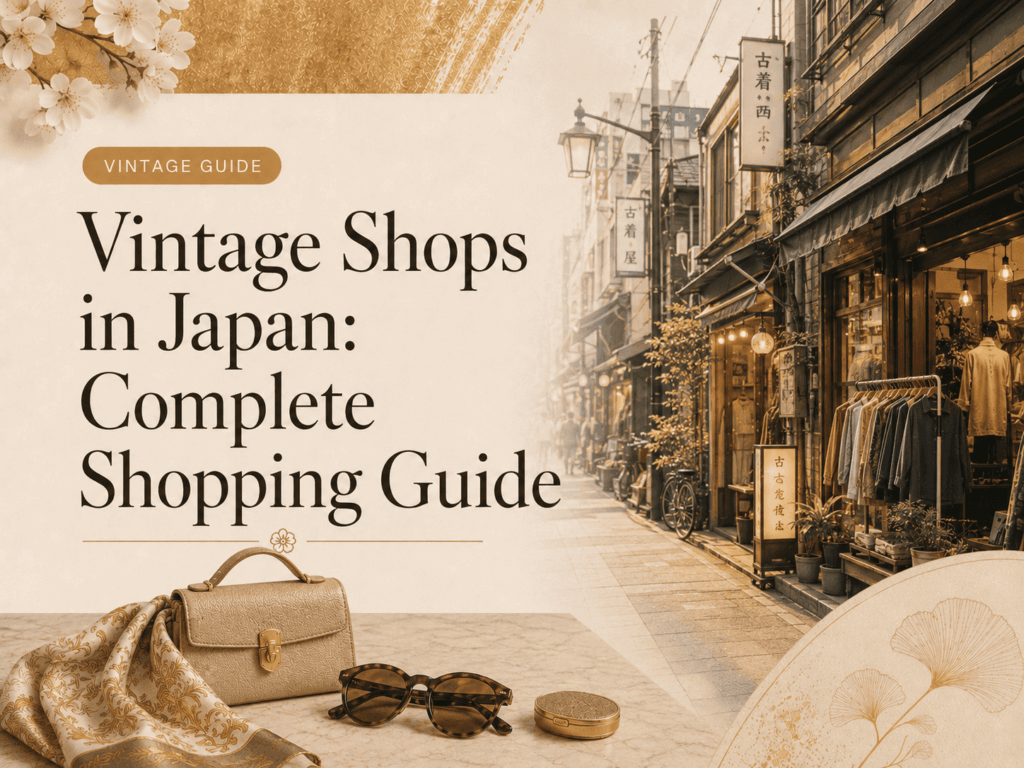
Vintage shopping in Japan is one of the most enjoyable ways to experience the country's sense of style, care, and detail. For international visitors, Japan offers a rare mix: carefully curated vintage boutiques, casual used clothing stores, luxury resale shops, watch specialists, bag-focused stores, streetwear resale, and neighborhood second-hand shops. A good vintage shopping day can feel like a quiet treasure hunt, but it works best when you understand the areas and shop types before you go.
This guide is the main JVG hub for vintage shops in Japan. It is designed for travelers who want to shop with taste and patience, not rush through a long list of stores. Whether you are looking for vintage fashion in Tokyo, designer resale in Ginza, vintage bags in Omotesando, watches in Nakano, or a calm route in Kyoto or Osaka, the same principle applies: choose your category, choose your area, compare carefully, and check official information before visiting.
Use this hub as a calm planning base before choosing a city, neighborhood, or specialist category guide.
The short answer is that Japan is excellent for vintage shopping, but there is no single "best" route for everyone. A first-time visitor may prefer Tokyo or Osaka. A fashion lover may prefer Harajuku, Shibuya, Koenji, or Shimokitazawa. A luxury bag shopper may prefer Ginza or Omotesando. A watch collector may prefer Ginza, Nakano, or Shinjuku. The right route depends on what you want to buy and how much time you have.
What Makes Vintage Shopping in Japan Different?
Japanese vintage shopping often feels organized, thoughtful, and category-aware. Many shops present items carefully, and even small stores may have a clear point of view. This can make shopping more comfortable for travelers who want to compare condition, style, and price without feeling overwhelmed.
At the same time, vintage shopping is still unpredictable. Inventory changes. Sizes vary. A store may be perfect for browsing but not have the exact piece you hoped for. A bag or watch may look attractive at first glance but require careful inspection. A shop may have policies that differ from what you expect at home. Vintage shopping in Japan rewards calm comparison.
JVG's editorial view is that vintage shopping should be part of the travel experience, not only a transaction. The best routes leave time for neighborhoods, cafes, train transfers, and decision breaks. A beautiful item is more enjoyable when you bought it with confidence.
Types of Vintage and Second-Hand Shops in Japan
Curated Vintage Boutiques
Curated vintage boutiques are often the heart of Japan's vintage shopping appeal. They may focus on American vintage, European vintage, Japanese designer clothing, military pieces, denim, workwear, dresses, outerwear, or a specific style. The selection is usually edited, and the price reflects curation as well as condition.
These shops are good for travelers who care about style and atmosphere. They are less ideal if your only goal is the lowest price. If a shop feels expensive, ask what you are paying for: condition, rarity, styling, location, brand, and selection may all matter.
Used Clothing Stores
Used clothing stores can range from casual and affordable to highly curated. They are useful for jackets, shirts, denim, knitwear, streetwear, shoes, accessories, and everyday fashion. Areas such as Harajuku, Shibuya, Koenji, Shimokitazawa, Kichijoji, and Daikanyama are especially relevant in Tokyo.
Check sizing carefully. Japanese sizing and vintage sizing may not match your usual system. Try items on when possible, and check measurements when you cannot.
Luxury Vintage and Brand Resale Shops
Luxury vintage and brand resale shops focus on designer bags, wallets, watches, jewelry, scarves, accessories, and sometimes clothing. These shops are useful for travelers looking for pre-owned luxury goods in Japan, especially in Ginza, Omotesando, Shinjuku, Shibuya, Osaka, and Shinsaibashi.
For luxury items, do not rely on brand name alone. Compare condition, accessories, store policy, price, and your own comfort level. If a detail matters, ask before buying. Avoid assuming that stock, tax-free shopping, returns, warranties, or service terms are the same at every shop.
Watch Specialists
Vintage and pre-owned watch shops deserve their own planning approach. Watches require detailed comparison, and a small difference in condition, accessories, bracelet fit, service history, or policy can matter. Tokyo's Ginza, Nakano, Shinjuku, and Ueno areas are relevant for watch shopping, while Osaka and Fukuoka also have watch routes worth planning.
If watches are your priority, read JVG's vintage watch shops in Tokyo and guide to buying pre-owned watches in Japan.
Reuse Shops and Mixed Second-Hand Stores
Reuse shops and mixed second-hand stores can be part of a vintage route, but they are usually broader and less curated. They may carry clothing, bags, home goods, hobby items, electronics, books, watches, and other categories. They are good for discovery and casual browsing.
For a more detailed explanation, see JVG's guide to reuse shops in Japan once published.
Best Areas for Vintage Shopping in Japan
Tokyo
Tokyo has the widest range for most first-time visitors. Ginza is useful for luxury resale, watches, and polished shopping. Shibuya and Harajuku are strong for fashion, youth culture, and street style. Omotesando and Aoyama are useful for luxury, designer resale, and elegant routes. Koenji and Shimokitazawa are classic areas for vintage clothing. Nakano is important for watches and subculture shopping. Shinjuku is convenient for transport and mixed shopping.
Start with the Tokyo vintage shopping guide if you are planning your first route.
Osaka
Osaka is lively, practical, and rewarding for travelers who want to combine shopping with food and nightlife. Shinsaibashi, Namba, and Umeda can each play a different role. Shinsaibashi is useful for fashion and luxury resale routes. Namba can be energetic and convenient. Umeda works well for station-based planning.
Use the Osaka vintage shopping itinerary as a starting point.
Kyoto
Kyoto vintage shopping is best approached gently. The city is not only a shopping destination, so routes should respect sightseeing, walking time, and transport. Kawaramachi and central areas can be useful, but do not overpack the day.
See the Kyoto second-hand shopping guide for route planning.
Regional Cities
Nagoya, Fukuoka, Sapporo, Kobe, Yokohama, Sendai, Hiroshima, Kanazawa, and other cities can offer useful second-hand routes. Regional shopping may be less covered in English, so check official store information and use map searches carefully.
What to Buy at Vintage Shops in Japan
Vintage fashion is the most natural category: jackets, denim, shirts, dresses, knitwear, outerwear, military pieces, workwear, designer clothing, streetwear, shoes, and accessories. For travelers, portable items are easiest.
Vintage bags and wallets are popular because they can be practical souvenirs and long-term pieces. Compare corners, handles, interior, strap length, odor, hardware, zipper movement, and included accessories.
Watches are popular but require more patience. Look beyond the dial. Consider case condition, bracelet fit, service information, accessories, and the store's policy.
Jewelry, scarves, sunglasses, belts, and small leather goods can also be rewarding. For higher-value items, slow down and compare across shops.
Price, Condition, and Inventory
Vintage prices are not only about age. They can reflect brand, material, rarity, condition, size, current demand, location, curation, and included accessories. A vintage item in excellent wearable condition may cost more than expected. A cheaper item may still be useful if the flaws do not matter to you.
Condition is personal. Some shoppers love patina. Others want a cleaner piece. Decide your comfort level before you shop. For clothing, inspect fabric, seams, stains, repairs, and odor. For leather goods, inspect corners, handles, glazing, hardware, and interior. For watches, take more time and ask questions.
Inventory changes often. Do not assume that an item shown online or mentioned in a guide will be available. Check official information, and use guides to build a route rather than chase one exact item.
How to Shop Without Speaking Japanese
Vintage shopping is possible with limited Japanese. Use map apps, save store names in advance, and prepare simple translated questions. Staff may be used to international visitors in major areas, but English support should not be assumed.
Useful questions include:
- May I try this on?
- May I check the condition?
- Are there any stains or repairs?
- Does this bag come with accessories?
- Is this watch working properly?
- May I take a photo?
- What payment methods are accepted?
- Is tax-free shopping available here?
Be polite, patient, and specific. If the answer affects a purchase, confirm carefully. For more help, see how to shop second-hand in Japan without speaking Japanese.
Suggested Vintage Shopping Routes
For a half-day Tokyo fashion route, choose Shibuya and Harajuku, or Koenji and Shimokitazawa. Do not try to include every famous area in one afternoon. Fashion browsing takes time.
For a luxury resale route, choose Ginza and Omotesando, or Ginza and Shinjuku. Keep the day focused, especially if you are comparing bags or watches.
For a watch route, choose one or two of Ginza, Nakano, Shinjuku, and Ueno. Check store locations and opening information before visiting.
For Osaka, choose Shinsaibashi and Namba for an energetic route, or add Umeda if station convenience matters. For Kyoto, keep the route shorter and combine it with sightseeing.
How to Match Vintage Areas to Your Style
The word "vintage" covers many different tastes. A traveler looking for denim and workwear may need a different route from someone looking for designer resale or a vintage handbag. Before choosing an area, think about your style goal.
For Street Style and Youth Fashion
Shibuya and Harajuku are natural starting points. These areas are useful for visitors who want fashion energy, streetwear, accessories, and trend-aware vintage. They can be busy, but they are easy to combine in one day. If you want a first-time fashion route, this is one of the simplest choices.
For Curated Clothing and Vintage Discovery
Koenji and Shimokitazawa are often useful for travelers who enjoy browsing racks and discovering pieces gradually. These areas can feel less polished than Ginza or Omotesando, but that is part of the charm. Give yourself time. Vintage clothing shopping is slower when you are checking fabric, fit, and condition.
For Luxury and Designer Resale
Ginza, Omotesando, Aoyama, and parts of Shinjuku are more relevant for luxury resale, designer bags, watches, and polished shopping. The atmosphere is different from a used clothing route. Expect more careful comparison and fewer impulse decisions.
For Calm Travel Pairings
Kyoto, Kobe, Yokohama, and some regional city routes can be pleasant when shopping is one part of the day rather than the entire day. These routes work well for travelers who want a few thoughtful stops between sightseeing and meals.
How to Evaluate a Vintage Shop Quickly
When you enter a vintage shop, take a moment before you start pulling items. Look at the category focus, price range, condition level, size range, and staff flow. Is the shop mostly clothing, bags, designer pieces, accessories, or mixed goods? Does it feel affordable, premium, or highly curated? Are items easy to inspect? Are fitting rooms available? Are condition notes visible?
This quick scan helps you decide how much time to spend. Not every good shop is good for your specific purpose. A beautiful designer boutique may not help if you want affordable used clothing. A great clothing shop may not help if your real goal is a vintage bag.
Building a Vintage Shopping Day by Time Available
If You Have Two Hours
Choose one compact area and one category. Do not cross the city. In Tokyo, that might mean a short Harajuku route for fashion, a Ginza route for luxury resale, or a Nakano route for watches. In Osaka, choose Shinsaibashi or Namba, not both unless they fit naturally.
If You Have Half a Day
Choose one main area and one nearby secondary area. A half-day can work well for Shibuya and Harajuku, Ginza and Omotesando, Koenji and Shimokitazawa, or Shinsaibashi and Namba. Leave time for fitting, inspection, and a break.
If You Have a Full Day
Choose a theme and two areas. A Tokyo full day might be fashion-focused, luxury-focused, or watch-focused. Mixing too many categories can make the day tiring. A full day is also when you should take notes, especially for high-value items.
What Makes a Vintage Purchase Worth It?
A good vintage purchase is not only rare or beautiful. It should fit your life after the trip. Ask whether you will wear it, whether the size works, whether the condition is acceptable, whether the price feels fair after comparison, and whether carrying it home is practical.
For clothing, comfort and fit matter more than the label. For bags, usability and condition matter more than the first visual impression. For watches, confidence and policy details matter as much as appearance. For accessories, consider whether the item is easy to pack and whether it feels special enough to justify the purchase.
A calm yes is better than an excited maybe.
Seasonal Considerations for Vintage Shopping
Season can affect what feels easy to buy. In winter, coats, knitwear, leather jackets, and heavier vintage pieces may be more appealing, but they also take luggage space. In summer, lighter clothing is easier to carry, but you may need to inspect sweat stains, fabric wear, and odor more carefully. Rainy days can make station-connected routes more comfortable than long outdoor walks.
If you are visiting Japan during a hot or wet season, plan breaks and avoid carrying too many purchases early in the day. If you are shopping for leather goods or watches, protect purchases from rain and humidity. Vintage shopping is more enjoyable when the route fits the weather.
How to Use JVG's Area Guides With This Hub
This article should help you choose the broad direction. Area guides help you choose the actual day. Start here when you are deciding whether Japan is good for vintage shopping, then move to Tokyo, Osaka, Kyoto, Ginza, Shibuya, Harajuku, or another specific area when you are ready to build a route.
The best path is usually: national vintage overview, city guide, area guide, category guide, then shopping tips. That order helps you avoid jumping into a specific shop list before you understand the market. It also helps you decide whether your trip should focus on fashion, bags, watches, luxury resale, or general second-hand browsing.
Common Vintage Shopping Mistakes
The first mistake is trying to cover too many neighborhoods in one day. Tokyo and Osaka are efficient, but vintage shopping takes time because every item is different. The second mistake is buying only because an item is rare. Rarity is not useful if the fit, condition, or price does not work for you. The third mistake is ignoring practical travel details. A heavy coat, fragile accessory, or boxed item may become inconvenient if you still have a full sightseeing day ahead.
The best vintage shoppers stay curious but selective. They enjoy the search, compare carefully, and leave space for a good item to appear without forcing the day to produce one.
A slower route also leaves room for neighborhood context. Vintage shopping is often better when you can notice the street, the station, the surrounding cafes, and the other shops nearby. That context helps you remember why the purchase belonged to the trip.
Related JVG Guides
Use these related JVG guides to continue planning around the same area, category, or shop type:
- Ginza vintage shopping guide - A high-intent Tokyo luxury resale route.
- Shibuya vintage shopping guide - Useful for fashion-led Tokyo vintage shopping.
- Sapporo vintage shopping guide - A regional Japan route with growing search visibility.
- Fukuoka Tenjin vintage shopping route - A practical regional route outside Tokyo and Osaka.
- second-hand stores in Ginza - Good for broader resale intent in a luxury area.
- second-hand stores in Sapporo - Useful for broader Sapporo reuse-shop planning.
Need help planning your vintage shopping route in Japan? Contact JVG for private shopping support.
Shopping Support: /shopping-support/
FAQ
What city is best for vintage shopping in Japan?
Tokyo has the broadest range for most first-time visitors. Osaka is also excellent, especially around Shinsaibashi, Namba, and Umeda. Kyoto is better for a calmer route around sightseeing.
Are vintage shops in Japan expensive?
Some are affordable, while others are premium. Price depends on brand, condition, rarity, location, and curation. Compare before buying.
Can I find luxury vintage bags in Japan?
Yes, many travelers shop for pre-owned and vintage luxury bags in Japan. Compare condition, accessories, store policy, and official information carefully.
Do vintage shops in Japan accept credit cards?
Many shops may accept cards, but payment methods vary. Check official store information or ask staff before assuming.
Is it okay to bargain at vintage shops in Japan?
Bargaining is not a standard expectation in many Japanese shops. Follow the shop's style and be respectful. If a price is fixed, compare other shops instead of pressuring staff.
Continue the shopping journey